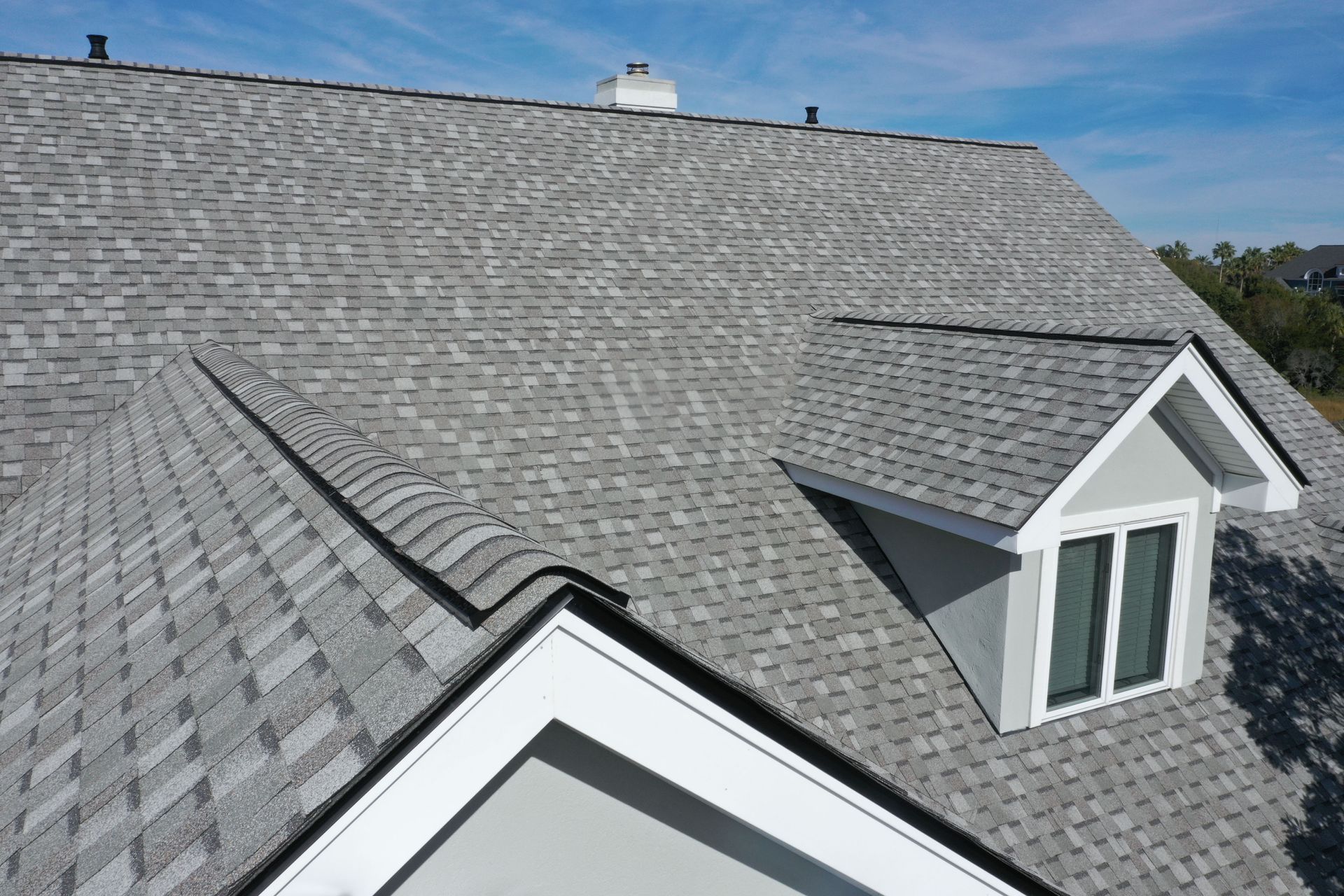
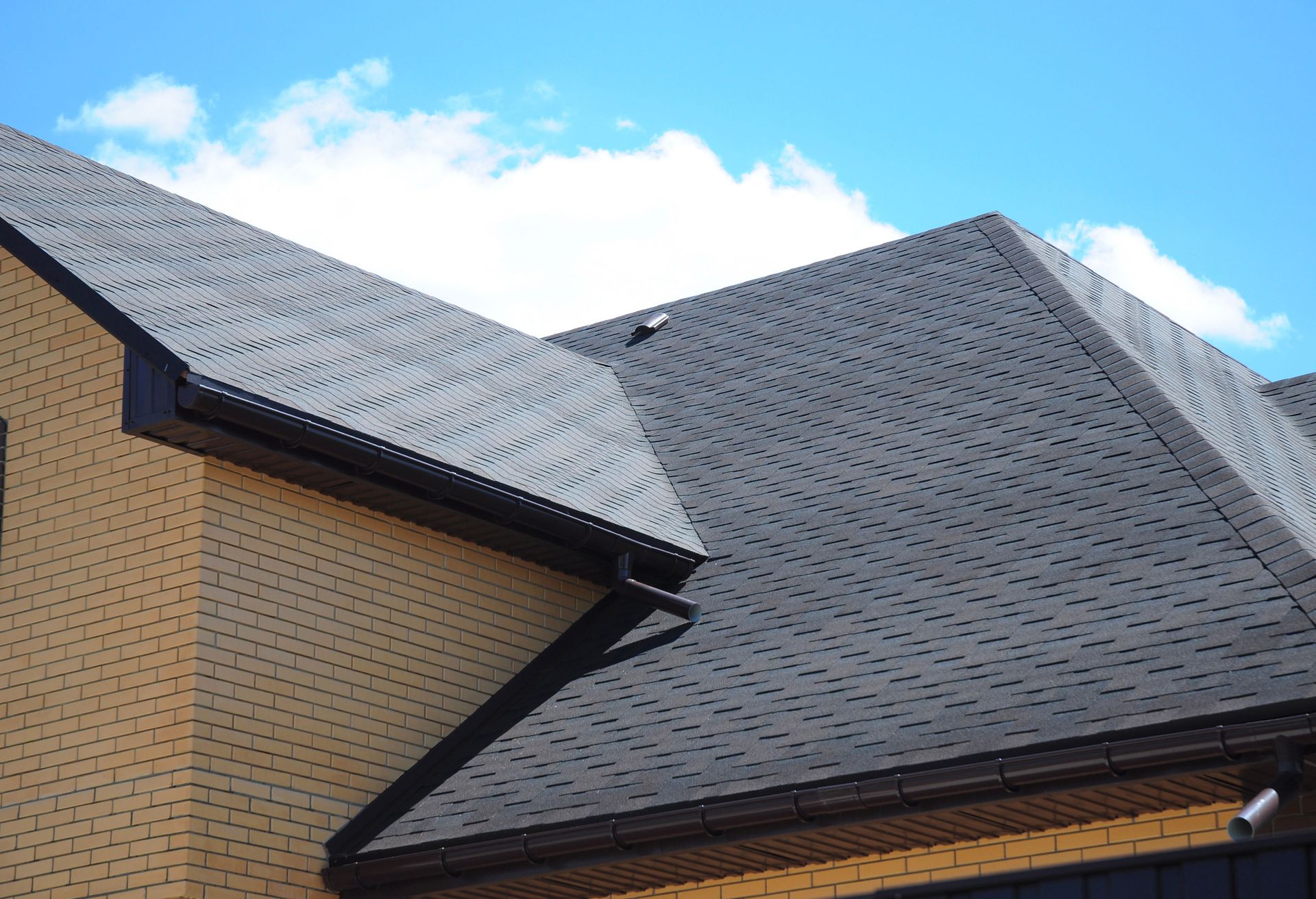
Protect your home with expert roof repair services, ensuring safety, structural durability, and total long-term peace of mind.

Save 10% on full roof replacements with Doyle Roofing’s limited-time fall offer. Proudly serving Philadelphia, Bucks County & surrounding areas.
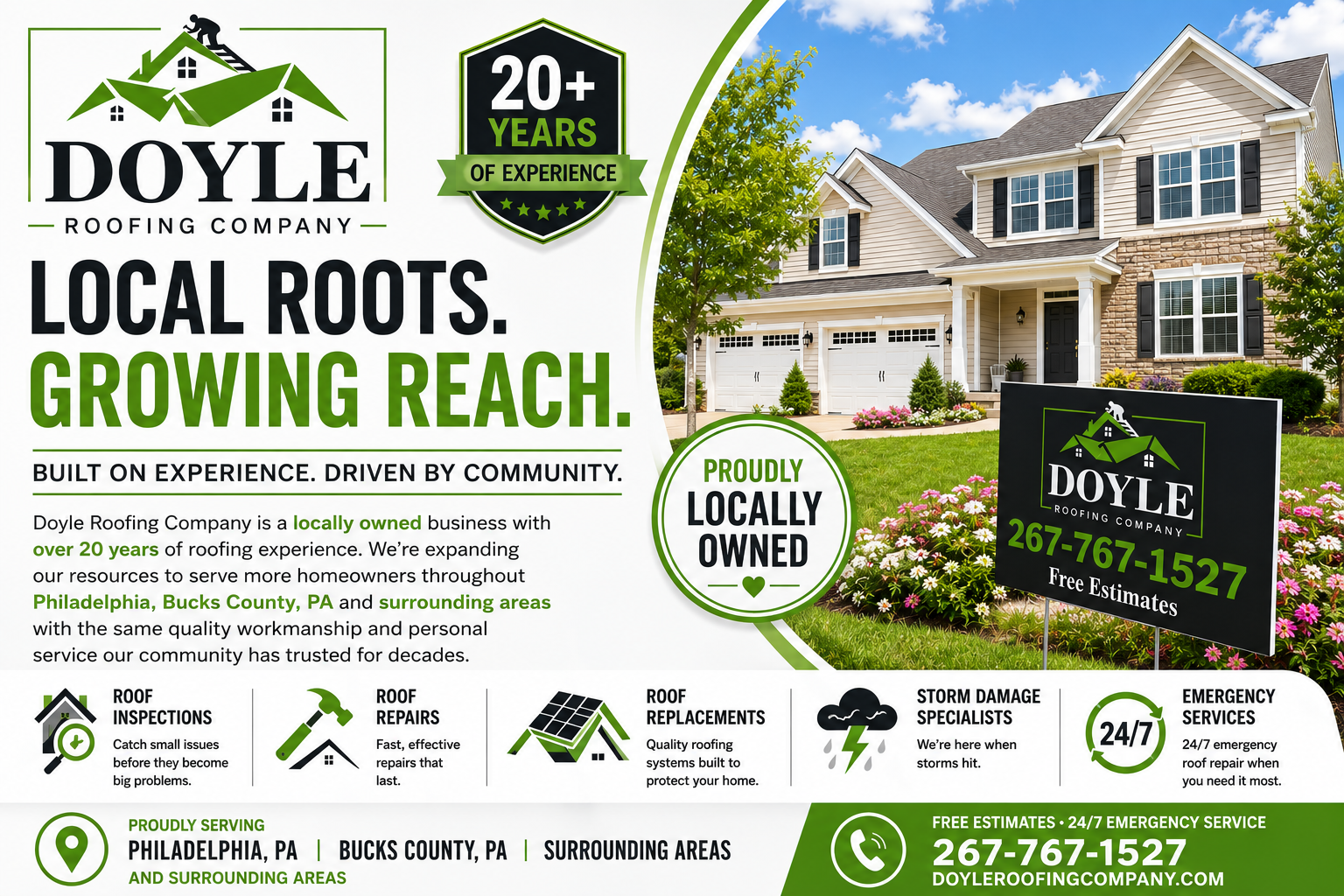
Built Local. Growing Local. Doyle Roofing Company Expands With Over 20 Years of Experience When it comes to protecting your home, choosing the right roofing company isn't just about finding someone who can install shingles or repair a leak. It's about finding a team you can trust to show up, stand behind their work, and treat your home like it's part of their own community. For more than 20 years, Doyle Roofing Company has built its reputation on exactly that. As a locally owned roofing company , Doyle Roofing has spent decades helping homeowners protect one of their biggest investments—their homes. Now, we're excited to take the experience, workmanship, and customer-first approach that built our reputation and bring our resources to even more homeowners throughout Philadelphia, Bucks County, PA, and surrounding communities. More Than 20 Years of Roofing Experience Roofing isn't something you learn overnight. More than two decades in the industry means experiencing thousands of different roofing situations—from straightforward repairs to difficult leaks, storm damage, aging roofing systems, and complete roof replacements. That experience matters. When you hire an experienced roofing contractor , you're not simply paying for materials and labor. You're hiring someone who knows what to look for, how to identify problems before they become bigger ones, and how to recommend the right solution for your home. At Doyle Roofing Company, our goal isn't just to fix the problem you can see. It's to help make sure your roofing system is protecting your home the way it should. Local Roots. Bigger Reach. As Doyle Roofing continues to grow, so does our ability to help more homeowners. We're expanding our resources and reaching new communities throughout Philadelphia, Bucks County, Pennsylvania, Jenkitown, and South Jersey while continuing to provide the personal service you'd expect from a local roofing company. For homeowners searching for a roofer in Philadelphia , a roofing company in Bucks County , or a trusted roofing contractor in Jenkintown,Pa. , our growth means greater availability and more resources without losing the local approach that helped build Doyle Roofing in the first place. We're growing—but we're staying local. Why Choosing a Local Roofing Company Matters Your roof isn't the place to take chances. Working with a locally owned roofing contractor means choosing a company that understands the homes, neighborhoods, and weather conditions in the area. Homes throughout Philadelphia, Bucks County, and South Jersey experience everything from summer heat and severe thunderstorms to high winds, freezing temperatures, snow, and ice. Older Philadelphia homes may also present completely different roofing challenges than suburban homes throughout Bucks County or South Jersey. More than 20 years of local roofing experience gives our team the knowledge to understand those differences. And when you need help, you're working with a company that's part of the community—not a contractor operating hundreds of miles away. Small Roof Problems Don't Stay Small One of the most important lessons we've learned over the years is simple: Roofing problems rarely get better by waiting. A missing shingle, small ceiling stain, minor flashing problem, or slow leak might not seem like an emergency today. But after the next heavy rain or storm, that small problem could become water damage, damaged insulation, mold, or a much more expensive repair. That's why we encourage homeowners to pay attention to the early warning signs. If something doesn't look right, having an experienced roofer take a look now could save you a much bigger headache later. Roof Repair, Replacement & Emergency Roofing Services Every roof is different, which means every homeowner deserves an honest assessment of what their property actually needs. Doyle Roofing Company provides professional roofing services including roof inspections, roof repairs, shingle roofing, roof replacements, leak repairs, storm damage repairs, and emergency roofing services . Whether you're dealing with an active leak or simply wondering if your aging roof should be inspected, we're here to help you understand your options. Sometimes a roof needs major work. Sometimes it only needs a repair. Our job is to help you determine the right solution. Our Growth Starts With Our Customers For a local business, growth isn't just about reaching more ZIP codes. It's about earning the opportunity to serve another homeowner, another family, and another neighborhood. Every referral, Facebook share, recommendation, review, and homeowner who chooses a local company helps businesses like Doyle Roofing continue to grow. That's why we're incredibly appreciative of the customers and communities that have supported us throughout more than 20 years in the roofing industry. As we expand into new areas, our goal remains the same: provide dependable roofing services, quality workmanship, honest communication, and an experience homeowners feel comfortable recommending to their friends and neighbors. Proudly Serving Philadelphia, Bucks County & Surrounding Areas If you've been searching for an experienced local roofing company near Philadelphia, a Bucks County roofing contractor, or a South Jersey roofer , we'd appreciate the opportunity to earn your business. After more than 20 years of roofing experience , Doyle Roofing Company is excited about the next chapter—expanding our resources, reaching new neighborhoods, and building new relationships while staying true to the local values that got us here. Need a roof inspection, repair, replacement, or just a professional opinion? Contact Doyle Roofing Company today for a free estimate. And if you already know and trust Doyle Roofing, help us reach the next neighborhood by sharing our page with a friend, family member, or neighbor who may need a reliable local roofer. Doyle Roofing Company Over 20 Years of Experience. Local Roots. Growing Reach.